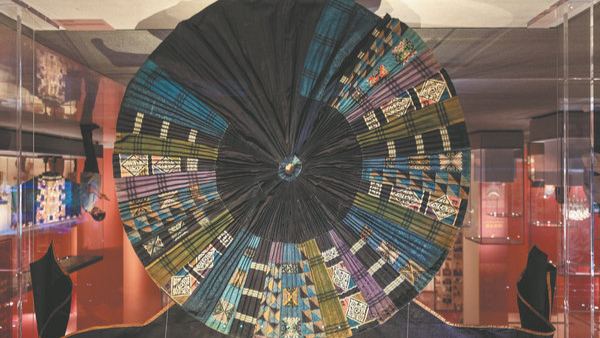
Miao Brocade
Introduction
Miao brocade is a traditional textile art form that originates from the Miao ethnic group, primarily residing in Southwest China's Guizhou province. Known for its intricate designs and vibrant colors, Miao brocade is a significant aspect of Miao culture, embodying their worldview, values, and aesthetics. This craft employs various interweaving techniques using warp and weft threads to create elaborate patterns that often depict natural phenomena, mythical creatures, and ethnic history. It is closely related to Miao embroidery, another celebrated art form of the Miao people, and is often referred to as "the Miao epic worn on the body."
Miao brocade is not only a visual representation of the Miao people's rich cultural heritage but also a medium through which their stories, legends, and traditions are preserved and passed down through generations. Recognized as a national intangible cultural heritage in China, this art form continues to inspire modern designs and global appreciation, bridging the gap between traditional craftsmanship and contemporary aesthetics.
History
The history of Miao brocade is deeply intertwined with the broader cultural and historical narrative of the Miao ethnic group. The Miao people have a long history, with their origins tracing back thousands of years. Over centuries, they developed unique textile techniques that reflect their environment, beliefs, and way of life. Miao brocade, alongside Miao embroidery, became a vital part of their cultural identity.
The craft of Miao brocade has been practiced for generations, with skills and techniques passed down from mothers to daughters. In traditional Miao society, creating brocade and embroidered garments was not merely a domestic activity but a form of cultural expression. The patterns and motifs woven into the fabric often carried symbolic meanings, representing myths, legends, and ancestral worship. For instance, the Mother Butterfly pattern is a recurring motif that echoes the Miao legend of Jiangyang, an ancestor of the Miao people, born from an egg laid by a butterfly.
Throughout history, Miao brocade has been used to create ceremonial clothing, daily wear, and decorative items. The craft gained prominence as a symbol of Miao cultural pride, especially during festivals and celebrations like the Guzang Festival, where traditional costumes featuring intricate brocade and embroidery are showcased.
In modern times, efforts to preserve and promote Miao brocade have intensified. The craft was among the first items to be listed as a national intangible cultural heritage in 2006. Contemporary designers and organizations have also played a significant role in revitalizing the tradition, integrating Miao brocade into modern fashion and art.
Characteristics
Miao brocade is distinguished by its intricate patterns, vibrant colors, and meticulous craftsmanship. The process of creating Miao brocade involves several interweaving techniques using warp and weft threads. These techniques allow artisans to produce complex designs that often feature geometric shapes, floral motifs, and depictions of animals and mythical creatures.
The patterns in Miao brocade are rich in symbolism and storytelling. Common motifs include:
Natural Phenomena: Representations of the sun, clouds, and rivers reflect the Miao people's connection to nature.
Mythical Creatures: Dragons and phoenixes symbolize power, prosperity, and harmony.
Cultural Legends: Patterns like the Mother Butterfly are tied to Miao myths and ancestral worship.
Floral and Geometric Designs: These patterns add aesthetic appeal and often carry cultural significance.
The bold use of contrasting colors is a hallmark of Miao brocade. Vibrant hues like orange, red, and blue are commonly used, symbolizing vitality, joy, and the vastness of the universe. The interplay of colors enhances the visual impact of the designs.
Miao brocade employs a variety of weaving techniques that require exceptional skill and precision. Artisans use traditional looms to create the fabric, with each piece taking weeks or even months to complete, depending on its complexity.
Traditional Miao brocade is made from natural fibers such as cotton and silk. The choice of materials contributes to the durability and texture of the fabric, making it suitable for both clothing and decorative purposes.
Cultural Significance
Miao brocade holds profound cultural significance for the Miao people. It is more than just a craft; it is a repository of their history, beliefs, and identity. Each piece of brocade tells a story, serving as a visual narrative of the Miao people's worldview and traditions.
Miao brocade is a symbol of ethnic identity and pride. It distinguishes the Miao people from other ethnic groups and showcases their unique cultural heritage. During festivals and ceremonies, wearing brocade-adorned garments is a way for the Miao to celebrate their traditions and express their cultural unity.
The motifs in Miao brocade often depict myths and legends, preserving these stories for future generations. For example, the Mother Butterfly pattern is a visual representation of the Miao creation myth, ensuring that this narrative remains a part of their collective memory.
In traditional Miao society, brocade-making was a communal activity that strengthened social bonds. Today, it also plays an economic role, providing livelihoods for artisans and contributing to local economies. The craft has become a source of income for many Miao women, who sell their creations both domestically and internationally.
Miao brocade has gained global recognition as a symbol of China's intangible cultural heritage. It has been featured in international exhibitions, fashion shows, and cultural exchanges, promoting cross-cultural understanding and appreciation.
Preservation and Promotion
Efforts to preserve and promote Miao brocade have been multifaceted, involving government initiatives, community involvement, and collaborations with designers and organizations. The Chinese government has recognized Miao brocade as a national intangible cultural heritage, providing funding and resources for its preservation. Programs have been established to train young artisans and document traditional techniques.
Local communities play a crucial role in preserving Miao brocade. Artisans like Cai Qun and Jiang Laoben have dedicated their lives to teaching the craft to younger generations. Workshops and festivals provide platforms for showcasing Miao brocade and educating the public about its cultural significance.
Contemporary designers, such as Zhao Huizhou, have incorporated Miao brocade into modern fashion, making it relevant to today's audiences. Collaborations with organizations like the Guizhou Textile Industry Development Group have further expanded the reach of Miao brocade, integrating it into global markets.
Museums like the Multicolor Art and National Costume Museum in Guiyang have been instrumental in preserving and promoting Miao brocade. These institutions collect, display, and research traditional Miao textiles, raising awareness and fostering appreciation.
Despite these efforts, Miao brocade faces challenges such as the declining number of skilled artisans and competition from mass-produced textiles. To address these issues, there is a need for continued investment in education, innovation, and marketing. Integrating Miao brocade into modern products and fashion can help sustain its relevance and appeal.








